
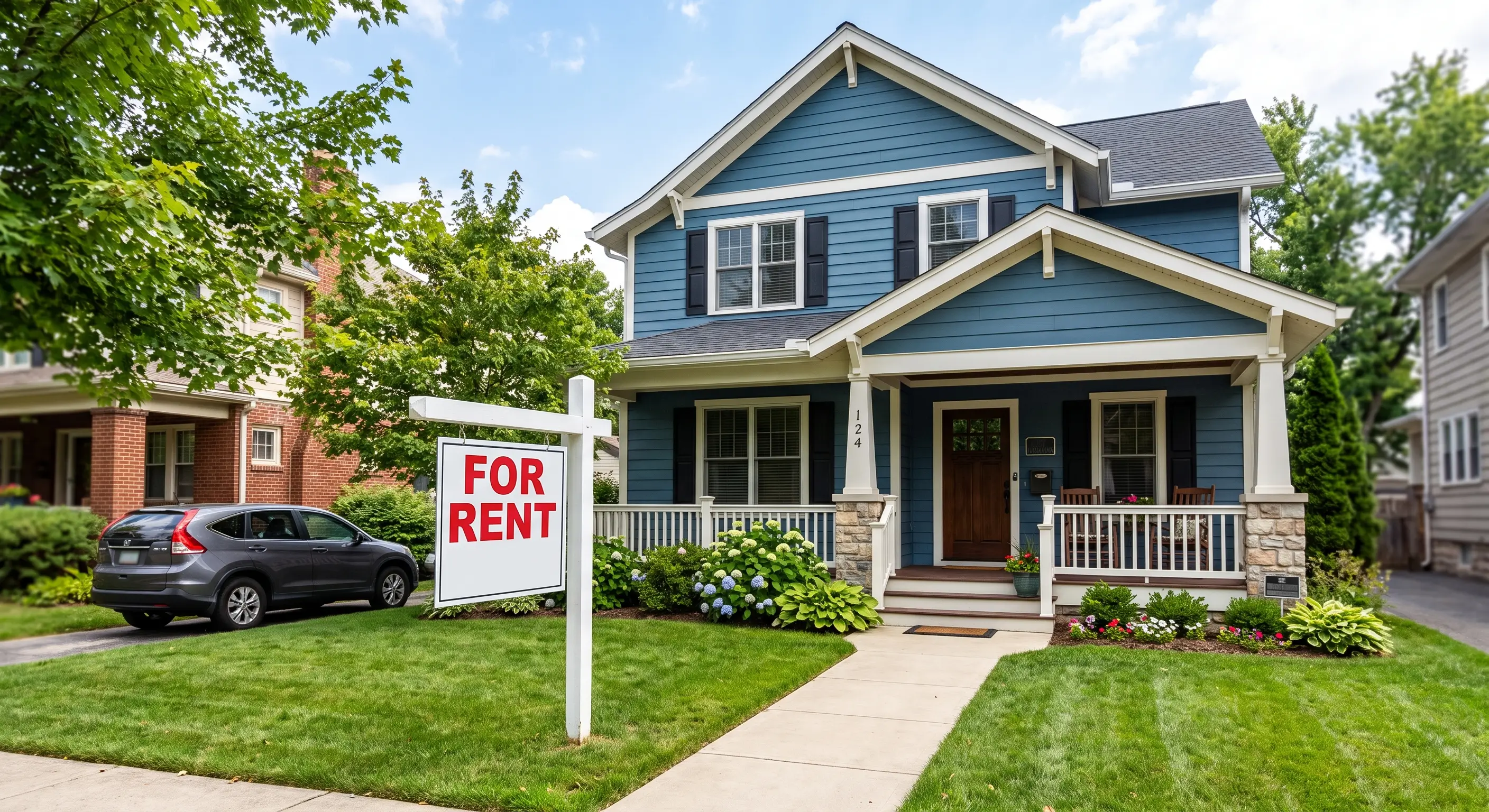
Every empty week on a rental quietly eats into your returns. Portland's multifamily vacancy rate sat at 7.1% in the second quarter of 2026, according to recent study. That number barely moved from the year before. For Portland landlords, it means renters are taking their time and comparing more options.
Most vacancy delays have clear fixes. Smart pricing and a well-planned leasing process make a big difference. This guide covers how Portland landlords can reduce rental vacancy time and protect their rental income.
Key Takeaways
- Portland's softer market means overpriced rentals sit longer, so current comps should guide every listing.
- Marketing before move-out shortens the gap between leases.
- FAIR ordinance steps like the 72-hour notice need to be built into leasing timelines.
- Retaining quality tenants is the most reliable way to avoid vacancy costs.
Why Rentals Are Sitting Longer in Portland Right Now
Portland's rental market has shifted over the past few years. Renters have more options, and owners have less room to push prices. Here are the key trends stretching out vacancy periods for property owners:
- More supply in the urban core: New housing developments added thousands of units across the Portland metro area. The Multifamily NW Spring 2026 report found an 8.6% vacancy rate in Downtown and SW Portland, a 28% jump from the year before.
- Tougher competition in popular neighborhoods: Even areas with high demand, like the Pearl District, feel the pressure. Young professionals can tour several buildings in one afternoon and pick the best deal.
- Empty affordable housing units: Nearly 1,900 rent-restricted affordable housing units sat empty in Portland earlier this year. That adds to the supply many tenants can choose from.
- Flat rents despite rising costs: Average asking rent in Portland was $1,656 per unit in Q2 2026, essentially flat compared to a year earlier. Rising costs for owners haven't turned into higher rents for tenants.
Rental demand still exists. It's just steady demand rather than a rush. When market conditions stay soft, an overpriced rental listing simply sits. Portland renters are more selective, and landlords need to stay competitive.
Ways to Reduce Rental Vacancy Time
Small changes add up to shorter vacancies. Here are the strategies that help Portland rental properties lease faster.
Price Your Rental Based on Current Portland Comps
Last year's rent isn't a reliable guide in today's market. Look at comparable listings near your property that leased in the past 30 to 60 days. Those numbers show what potential tenants are actually paying.
Run the math before you hold firm on price. On an $1,800 rental, a $50 reduction costs $600 over a 12-month lease. One extra vacant month costs $1,800. The smaller adjustment usually wins.
Upgraded units can still command higher rents. Features like in-unit laundry or smart thermostats give renters a reason to pay a little more.
Start Marketing Before the Current Tenant Moves Out
The best time to find your next tenant is while the current one still lives there. Pre-leasing can cut weeks off your vacancy. Here's how to attract quality tenants early:
- Professional photos: Bright, well-composed images earn more clicks and more showings.
- Detailed descriptions: Spell out lease terms and pet policies so qualified tenants can self-select.
- Virtual tours: Busy renters and out-of-town movers can decide faster.
- Wide syndication: Posting on major rental sites puts your unit in front of more people.
Offering flexible lease terms can also widen your pool. A 6-month or 18-month option may appeal to renters whose timing doesn't fit a standard lease. Some are moving for a new job. Others want to live near a family member receiving medical care. Flexible lease terms meet those renters where they are.
Portland Homes and Commercial Properties markets rentals across major listing platforms and screens applicants with FAIR compliance built into every step. Request a free rental analysis today to see what your property should rent for in the current Portland market.
Build the FAIR Ordinance Timeline Into Your Leasing Process
Inside Portland city limits, the Fair Access in Renting (FAIR) ordinance shapes how you market and screen. Skipping a step can slow leasing and create legal risk. Key requirements include:
- 72-hour notice: You must post notice at least 72 hours before accepting applications. The listing must state the exact date and time the window opens.
- Published criteria: Post your screening criteria, rent, fees, utility responsibilities, and security deposit amounts before accepting applications.
- First-come, first-served: Process complete applications in the order received. Holding applications for a "better" candidate can violate the rules.
- Screening limits: The ordinance limits how you can use criminal record and credit history in denials.
The Portland Housing Bureau publishes the full rules and required notices. Plan the 72-hour window into your turnover schedule so it never becomes a surprise delay.
Shorten Turnover Time Between Tenants
Days spent on repairs are days without rent. A fast turnover protects your cash flow.
- Pre-move-out walkthroughs: Schedule one with proper notice once the tenant gives notice. You'll spot repair needs before the unit is empty.
- Turnover checklist: Book cleaners and repair vendors in advance so work starts the day after move-out.
Document the unit's condition carefully. Portland's security deposit rules require condition reports and itemized deductions.
Keep Good Tenants Longer With Smart Renewal Planning
The fastest way to avoid a vacancy is to never have one. Tenant retention should sit at the center of managing rental properties.
- Early renewal offers: Reach out 90 days or more before the lease ends. Tenants get time to commit before they start apartment hunting.
- Reasonable rent adjustments: The Oregon State Legislature set a 9.5% cap on most rent increases for 2026. In Portland, rent increases of 10% or more within 12 months trigger mandatory renter relocation assistance. No cause evictions trigger mandatory relocation assistance too. Payments range from $2,900 to $4,500 depending on unit size.
- Responsive maintenance: Quick repairs show tenants you value them.
- Rent assistance awareness: Some tenants hit a substantial change like job loss. Pointing people struggling toward local rent assistance helps them stay and helps you collect rent.
Watch added fees closely. A modest base rent increase plus new charges can push the total past the relocation assistance threshold.
Frequently Asked Questions
Q: Should Portland landlords offer move-in concessions instead of lowering rent?
Concessions like a reduced first month can attract renters while protecting the base rent for future increases. Disclose any concession clearly in the listing and lease.
Q: Does allowing pets help reduce vacancy?
Pet-friendly policies widen the applicant pool. Landlords can charge pet deposits under Oregon rules, though assistance animals are not pets and cannot carry pet fees.
Q: What time of year do Portland rentals lease fastest?
Late spring and summer typically bring the most renter activity. Timing lease end dates to fall in those months can shorten future vacancies.
Fewer Empty Weeks Start With a Better Leasing Plan
Vacancy rates in Portland's rental market may stay elevated for a while. Landlords who price accurately and market early will still lease faster. Staying informed about local rules helps you stay ahead of competitors. Experienced property managers turn these habits into a repeatable system that protects your rental agreement pipeline year after year.
Portland Homes and Commercial Properties provides full-service property management for Portland landlords with a focus on steady occupancy and long-term tenant retention. Schedule a consultation today to build a leasing plan for your property.